When the Sun Sets at Four: A Projector Buying Guide for Real UK Living Rooms
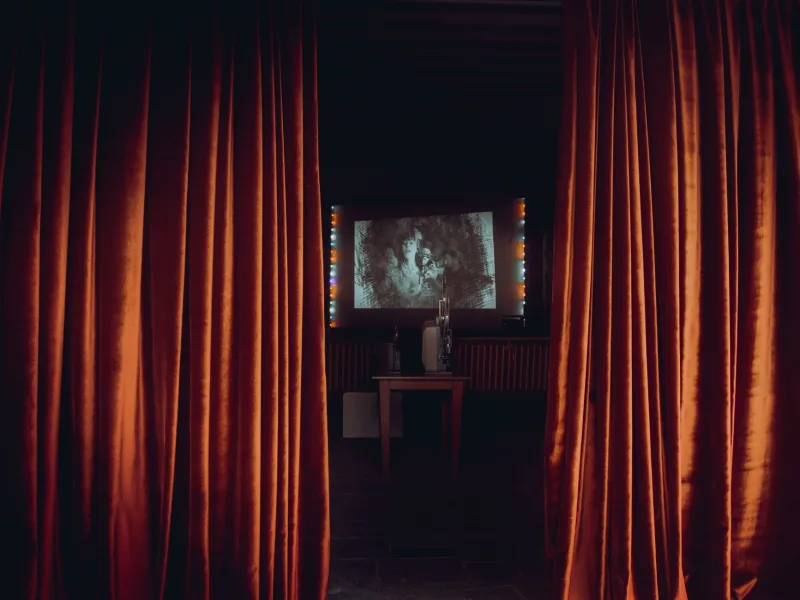
Walk into a projector demo and you will usually be shown a dark room, a dark screen and a loop of a space film. It looks fantastic. It also tells you almost nothing about how that projector will behave in a British living room at 4pm in November, when the low sun is coming through the bay window, someone has left the hall light on, and a table lamp is doing its best to wash out the black bars.
That is the real test. Most of us do not have a dedicated cinema room. We have a lounge that doubles as a family room, with pale walls, a white ceiling and a window that refuses to be convenient. Buying a projector for that space is not about chasing the biggest brightness number on a box. It is about understanding how light behaves once it enters your home.
The demo room is a lovely lie
Projector specifications are measured in controlled conditions. The room is dark, the screen is known, and the content is chosen to flatter. In your lounge, light bounces off the ceiling, the walls and anything glossy. A projector that looks punchy in a blacked-out demo room can look grey and flat in a room with a magnolia wall and a lamp on in the corner.
This is why two projectors with similar claimed brightness can feel very different at home. The spec sheet is a starting point, not a verdict.
Brightness is only half the story
Lumens tell you how much light the projector can throw. They do not tell you how well it will hold black levels when daylight is also hitting the screen. In a bright room, ambient light lifts the darkest parts of the image. Blacks become charcoal, shadows lose detail and dark films start to look like a foggy afternoon in Manchester.
Look for ISO lumens rather than vague marketing language, but do not stop there. Contrast, lens quality and how the projector handles HDR all matter. A dimmer projector in a room you can actually darken may look more cinematic than a brighter one fighting a bay window. If you cannot control the light, a TV is often the more honest purchase.
Screen gain, grey screens and ALR
A screen is not a neutral accessory. Gain affects how much light is reflected back towards you. A higher-gain screen can boost brightness on-axis, but it can narrow the viewing cone and create a hotspot. A grey screen can deepen perceived blacks, though it also dims whites. Ambient-light-rejecting screens are designed to reject light coming from the sides or above, but they need to be used correctly and they are not magic.
In a UK lounge, the white ceiling is often the enemy. Light from the projector bounces up, hits the ceiling and comes back down. Darker paint and curtains help more than most people expect. If you are serious about projector performance, spend some of the budget on light control before you spend it all on a brighter projector.
Throw distance and the bay window problem
Short-throw projectors sit close to the wall, which can suit smaller rooms, but they can be fussy about placement. Long-throw models usually need a ceiling mount or a shelf at the back. Bay windows, radiators and awkward chimney breasts often rule out the obvious central position.
Lens shift is your friend. Digital keystone correction is less friendly, because it reshapes the image and can soften detail. Measure the distance from lens to screen, check the manufacturer's throw calculator and decide where the projector can actually live before you buy. A great projector in the wrong position is just an expensive lesson.
A buying checklist for UK homes
- Watch a demo at the worst time of day, not the most flattering one. If you buy in summer, ask about returns and test it on a dark winter afternoon.
- Take your own clips: a dark TV episode, subtitles, football, pale faces and a film with plenty of shadow detail.
- Compare ISO lumens and real contrast claims, not just the brightest number in the advert.
- Budget for the screen. It affects the picture as much as the projector.
- Check lens shift, throw ratio and mount options before you fall for the image.
- Listen to fan noise in eco mode. A projector that sounds like a hairdryer ruins quiet dialogue.
- Confirm the UK warranty, returns policy and what happens if the lamp or light source fails.
The honest answer
A projector can be brilliant. It gives you a big picture, a proper cinema feel and a reason to close the curtains. But it works best when you buy for the room you have, not the room in the showroom. If your lounge is bright all day and you cannot darken it, do not force the issue. If you can manage the light, choose a screen carefully and place the projector properly, a British living room can still deliver a genuinely lovely picture after four o'clock.